Bienvenidos a Tours en Iquitos

What to do in Iquitos
IQUITOS IN AND OUT
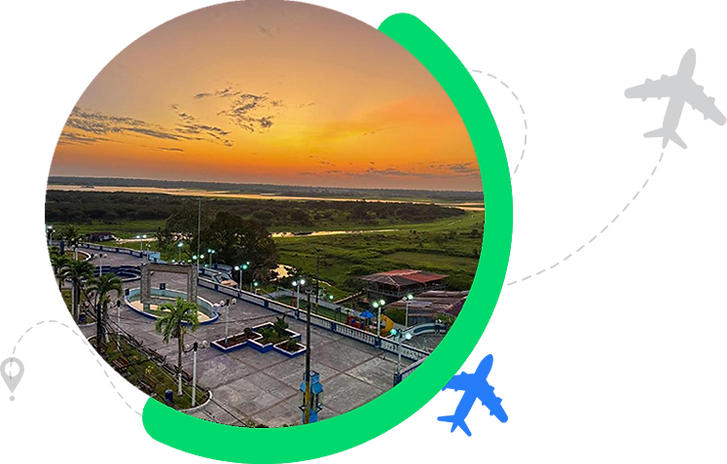
The historic heart of Iquitos: The majestic Plaza de Armas.
Iquitos's Plaza de Armas is not just a green space in the heart of the city; it is a living testament to the richness and splendor of the rubber era, a period that transformed this remote Amazonian city into a vibrant cosmopolitan center. Walking through it is like immersing yourself in a glorious past, surrounded by buildings that whisper stories of opulence and vision.
The plaza's design is captivating, with its iconic central obelisk pointing to the sky, flanked by lush palm trees and tropical gardens. But it's the surrounding monumental zone that truly captures the imagination. Each building tells its own narrative, reflecting the European influence and the prosperity that the "white gold" of rubber brought to the region.
Architectural Jewels That Adorn the Plaza
Among the most notable historical buildings that adorn this square are:

The Iron House
The Cathedral of Iquitos
Museums
Exhotel Palace
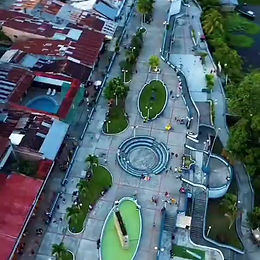
Visiting Pasaje Paquito


Belen Market - Iquitos
AVAILABLE ON OUR TOURS
Exploring the Vibrant Heart of Iquitos: The Belén Market
Immerse yourself in an unparalleled sensory experience at Iquitos' Belén Market, a place where Amazonian authenticity comes alive. This iconic floating and land-based market is not just a center of commerce, but a reflection of the vibrant soul of the Peruvian Amazon.
As you wander through its aisles, you'll encounter an explosion of colors, aromas, and sounds. From exotic Amazonian fruits like aguaje, camu camu, and arazá, to the freshness of fish freshly brought from the rivers, the Belén Market offers an unparalleled display of the region's biodiversity. Here, local products, traditional medicines, and unique handicrafts intertwine to tell the story of a rich and profound culture.
Beyond the merchandise, the market's true charm lies in its people. The merchants, with their warmth and ancestral knowledge, share their stories and traditions, making each visit a genuine connection with the local community. It's a place where haggling is part of the experience and where everyday life unfolds before your eyes in a fascinating way.
The Belén Market is, without a doubt, a must-see for anyone seeking to understand the true essence of Iquitos. It's an adventure that stimulates the senses and enriches the spirit, leaving a lasting impression of the Amazon's immense natural and cultural wealth.
GOOD REASONS
Amazon Rescue Center
Amazon Biobark
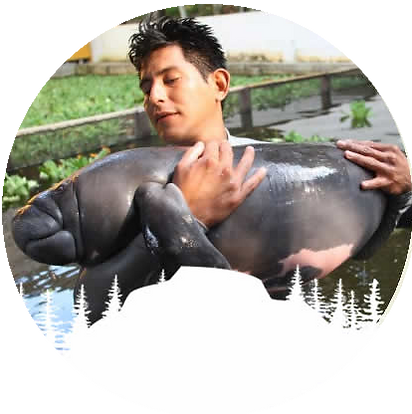
The Amazon Rescue Center (known as CREA or Amazon Rescue Center - ARC) is an organization located in Iquitos, Peru, dedicated to the rescue, rehabilitation, and release of Amazonian wildlife, with a particular focus on the Amazonian manatee.
Although it was initially created to care for manatees, over time it has expanded its work to shelter and recover other species that have fallen victim to illegal animal trafficking, hunting, and those kept as pets.
+2514 viajeros contentos
con nosotros

AVAILABLE ON OUR TOURS
* Rescue and rehabilitation: They care for animals that have been injured, trafficked, or have lost their mothers, especially baby manatees. They care for them, provide veterinary care, and prepare them for their eventual return to their natural habitat. They have rescued more than 60 manatees and released a large number of them, in addition to more than 10,000 specimens of other species.
* Animal release: Its ultimate goal is to reintroduce rehabilitated animals into different protected natural areas in Peru.
* Environmental education: They hold talks and educational workshops to raise awareness among the population, especially children and young people, about the importance of conserving the Peruvian Amazon and respecting wildlife. This includes teaching about the feeding processes of baby manatees and the importance of not keeping wild animals as pets.
* Research and conservation: They conduct research projects to support local communities, protect the region's biodiversity, and track released animals.
* Sustainable tourism and volunteering: The center is open to the public, offering the opportunity to learn about its work, interact with some species (under supervision), and learn about conservation challenges. It also supports itself through the support of volunteers (many of them foreigners) and donations.

Pillpintuwasi
Butterfly Farm and Animal Orphanage
"It is with great sadness that I have to announce that Pedro Bello, our beloved jaguar, has passed away. It is difficult to express in a few words what he meant to me and to Pilpintuwasi. In December 2000, a 9-month-old jaguar cub was abandoned on the grounds of what is now Pilpintuwasi. Due to the circumstances, he was never released into the wild, but I believe he was very happy during the 24 years he spent with us."
IN MEMORY OF PEDRO BELLO, THE JAGUAR
Pilpintuwasi is a butterfly farm and rescue center in Padrecocha, Iquitos City . It is located 20 minutes north of Metropolitan Iquitos , on the banks of the Nanay River . It is a major tourist attraction in Iquitos . It is the only butterfly farm in Peru.
A remarkable container for 42 species of Amazonian butterflies, it stands out for presenting the complete process of metamorphosis . Among the most striking butterflies it houses are the blue morpho (Morpho menelaus) and the owl butterfly of the Caligo family (Caligo eurilochus) . Aside from the lepidoptera collection, it also houses several mammals, including striking red huapos monkeys and a majestic jaguar named Pedro Bello.
Butterfly diets are very specific; each species feeds on a different type of plant, and they only live two to four weeks.
Etymologically, "pilpintuwasi" comes from the Quechua word meaning "butterfly house."
INDIGENOUS Tribes

The Kukamas of
Padre Cocha
Historically, the Cocama have been recognized for their deep connection to the rivers and the jungle. Traditionally, their economy has been based on fishing, subsistence farming (cultivating cassava, plantain, and corn), hunting, and gathering. This intimate relationship with their natural environment is reflected in their ancestral knowledge of flora and fauna, as well as in their sustainable resource management practices.
The Cocama culture is manifested in their artistic expressions, such as pottery, basketry, and woodwork, often decorated with motifs inspired by nature and their beliefs. Their myths and legends are a fundamental pillar of their worldview, transmitting from generation to generation the values, history, and relationship of their people with the spiritual and natural world.
Today, the Cocama of Padre Cocha face challenges such as pressure on their territories, climate change, and the pursuit of economic opportunities that often conflict with their traditional ways of life. However, they are also an example of cultural resilience and adaptation, working to strengthen their identity, revitalize their language and ancestral knowledge, and promote development that is sustainable and respectful of their cultural heritage.
Visiting Padre Cocha offers the opportunity to experience the hospitality and cultural richness of the Cocama people firsthand, learning about their traditions, their connection with nature, and their valuable contribution to the cultural diversity of the Peruvian Amazon.
The Yaguas
in the Momon River
The Yagua Tribe of the Momón River: Guardians of the Peruvian Amazon
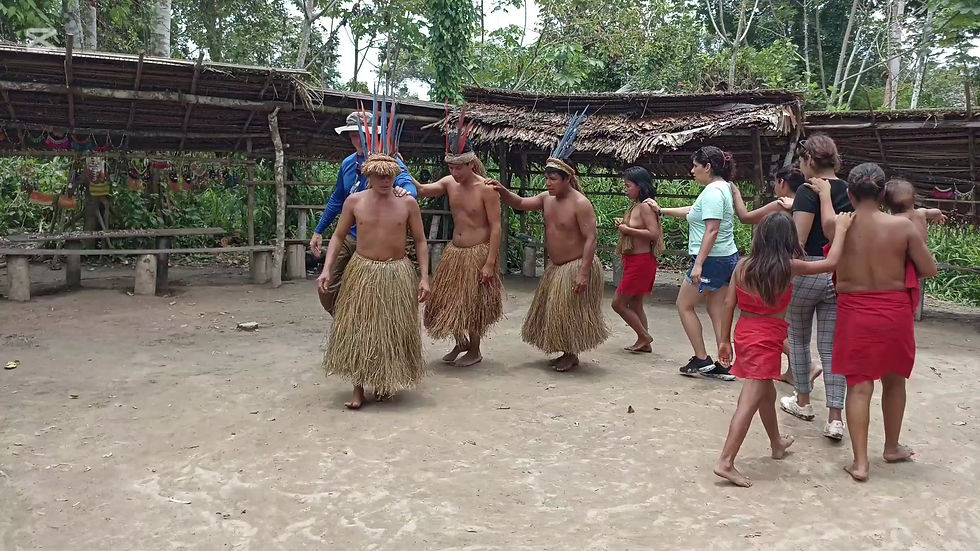
The Yagua tribe, settled primarily along the Momón River in the Peruvian Amazon, is an indigenous group with a rich history and vibrant culture. They are one of the best-known indigenous peoples of the Loreto region, near the city of Iquitos, and their presence is crucial to understanding the cultural and biological diversity of this ecosystem.
A distinctive aspect of their culture is their traditional dress, especially the use of skirts and headdresses made from palm fibers and bird feathers, which not only serve a practical function but also have profound ceremonial and aesthetic significance. The Yagua worldview is rooted in interconnectedness with nature, and their rituals and myths reflect a profound veneration for the spirits of the forest and animals.
Visiting a Yagua community on the Momón River offers a unique opportunity to learn about their way of life, their crafts (such as baskets and pottery), their dances, and their deep knowledge of the rainforest. They are, in essence, guardians of the Amazon, and their survival is crucial to the conservation of the biodiversity and cultural heritage of this invaluable region.
The Boras
from San Andrés
The Bora are not just inhabitants of the forest; they are its guardians, its interpreters, and the custodians of ancestral knowledge passed down from generation to generation.
Their existence is intrinsically linked to the pulse of the Amazon. The Bora have developed a deep connection with their environment, reflected in their livelihood through hunting, fishing, and subsistence farming, always in harmony with natural cycles. But beyond their practical relationship with the forest, the Bora are known for their rich worldview, where the spirits of the forest and rivers are revered and integral to their daily lives.
The elegance of Bora culture manifests itself in a multitude of ways. Their ritual dances, accompanied by the beating of drums and the singing of ancestral melodies, are a vibrant expression of their connection to the spiritual and the natural. Their movements, often depicting jungle animals or elements of nature, are a testament to their keen observation and respect for the world around them.
No less impressive are their artistic creations. The Bora are masters of intricate crafts, from woven baskets with natural fibers to making tools and ceremonial objects with materials obtained from the forest. Their body paintings, made with natural dyes, not only beautify the skin but also tell stories, identify social status, and serve ritual functions.
Perhaps the most distinctive and symbolic aspect of the Bora tribe, however, is their iconic "manguaré." This percussion instrument, carved from a hollow tree trunk and with a deep, resonant sound, is not just a musical instrument; it's a means of long-distance communication. Through specific codes and rhythms, the manguaré allows the Bora to transmit messages across the vast forest, an echo of their ingenuity and deep understanding of their environment.
AMAZON RIVER
Fundo Pedrito and the Giant Lilypad pond
Fundo Pedrito: An Amazonian Biodiversity Sanctuary and Conservation Center in Iquitos
Located on the outskirts of Iquitos, in the community of Barrio Florido and accessible via the majestic Amazon River, Fundo Pedrito stands as a prominent center for promoting ecotourism and the conservation of Amazonian wildlife. Beyond being a tourist destination, this center has established itself as an important space for the protection and rehabilitation of various wildlife species.
AVAILABLE ON OUR TOURS


At its facilities, you can observe emblematic species up close, such as the paiche (Arapaima gigas), the largest freshwater fish in the Amazon, as well as lizards, piranhas, monkeys, exotic birds, and the imposing Victoria Regia (Amazonian Victoria), the largest aquatic plant in the world. The center is dedicated to the care and well-being of these animals, many of which are confiscated by authorities, thus contributing to regional biodiversity conservation efforts.
Educational and Interaction Experience:
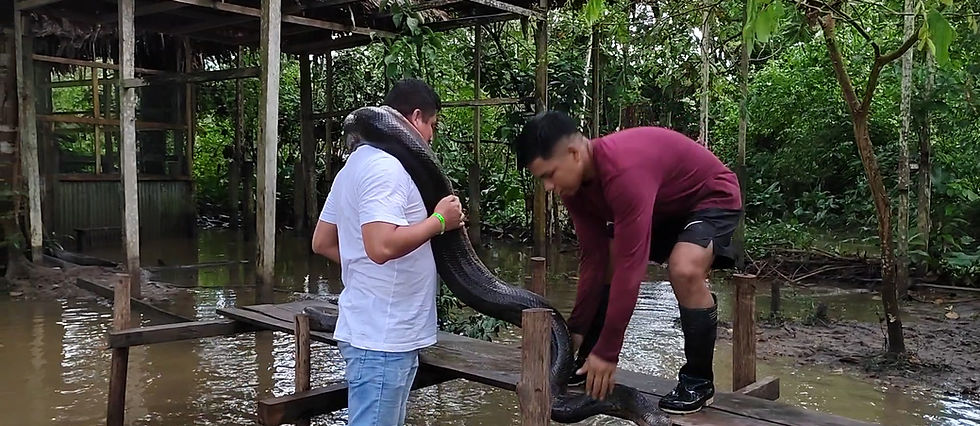
El Encanto de Rony
A dream place awaits you!
At least three species of monkeys that you can freely see and, in most cases, interact with.
Rony's Charm is one of those places that transform moments into unforgettable memories.
It is a refuge for animals such as: anacondas, sloths, alligators, toucans, macaws, parrots, etc.
These animals were mostly rescued from illegal trafficking and are being cared for until they are recovered and then released back into their habitat.
Your visit contributes to the good work being done here.
To the
AVAILABLE ON OUR TOURS

Independencia village
AVAILABLE ON OUR TOURS
On the vast and lush banks of the majestic Amazon River, near the city of Iquitos, lies the Community of Independencia. This vibrant settlement is more than just a town; it's a meeting point between the awe-inspiring nature and Amazonian culture, offering its visitors a unique window into life in the Peruvian jungle.
A Strategic Point of Natural Beauty.
The community is especially known for its viewpoint, a privileged spot from which you can appreciate the confluence of the Nanay River and the mighty Amazon, a spectacle of color and natural grandeur. From here, the view extends over the dense vegetation and the waters that meander through the landscape. Furthermore, in Independencia, there is a gigantic lupuna tree, an emblematic species of the Amazon, which rises imposingly, inviting adventurers to try climbing its vines and marvel at its size and age.


TURN DREAMS INTO JOURNEYS.
LIVE THE ADVENTURE

FOLLOW US


